Understanding the Mechanisms of Sports Injury Recovery
Sports injuries are an inevitable part of athletic progression, ranging from micro-tears in muscle fibers after a heavy lifting session to acute sprains sustained on the field. The human body possesses a remarkable, highly orchestrated biological response to tissue damage, generally categorized into three overlapping phases: the inflammatory response phase, the fibroblastic repair phase, and the maturation-remodeling phase. To optimize this complex healing cascade, athletes and fitness enthusiasts must employ scientifically backed recovery modalities while actively avoiding detrimental lifestyle choices. This comprehensive pillar guide bridges the gap between clinical rehabilitation concepts and practical, at-home recovery protocols.
Effective recovery is never a passive process. It requires a strategic intervention timeline. By understanding the precise moments to apply thermal therapies, the biomechanical advantages of percussive massage, and the physiological roadblocks created by toxins, you can drastically reduce downtime and prevent chronic musculoskeletal issues. We will dissect the nuanced application of hot and cold compresses, provide a definitive operational manual for fascia guns, and expose the severe consequences of alcohol consumption on physical rehabilitation.
The Triphasic Healing Process
Before applying any external modality, one must recognize what is happening at the cellular level. Immediately following an injury, the body initiates acute inflammation. Chemical mediators such as histamine and prostaglandins are released, causing vasodilation and increased capillary permeability. This brings specialized leukocytes to clear cellular debris but also results in localized swelling, heat, and pain. Intervening incorrectly during this fragile window—such as applying heat too early or consuming inflammatory substances—can exponentially prolong the healing timeline.
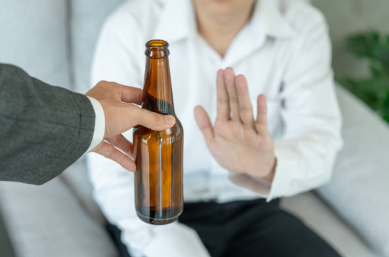
The Impact of Alcohol Consumption on Muscle Repair
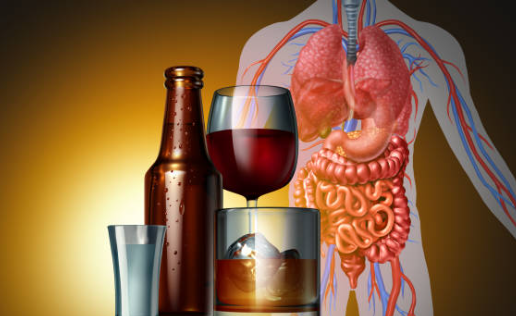
A common post-game or post-workout ritual for many recreational athletes involves consuming alcoholic beverages. However, clinical evidence overwhelmingly indicates that alcohol acts as a potent systemic disruptor to the musculoskeletal recovery process. When you ingest ethanol following physical exertion or acute injury, you are fundamentally altering your body’s hormonal environment and cellular repair capabilities. The notion that a few drinks will not harm your progress is a dangerous misconception that can lead to delayed healing, exacerbated muscle soreness, and increased susceptibility to future injuries.
Inhibition of Muscle Protein Synthesis (MPS)
The cornerstone of muscle recovery is Muscle Protein Synthesis (MPS), the biological mechanism through which cells build new proteins to repair damaged myofibrils. Alcohol consumption severely blunts this process. Ethanol interferes with the mTORC1 signaling pathway, which is the primary driver of protein translation in skeletal muscle. Even if an athlete consumes adequate post-workout protein, the presence of alcohol in the bloodstream prevents the body from utilizing these amino acids efficiently, effectively rendering your nutritional recovery efforts void.
Dehydration and Exacerbated Inflammation
Alcohol is a known diuretic, suppressing the release of vasopressin (antidiuretic hormone). This forces the kidneys to excrete more fluid than is consumed, leading to rapid cellular dehydration. Hydration is critical for blood volume maintenance and the transportation of vital nutrients to traumatized tissues. Furthermore, alcohol compromises the integrity of the intestinal barrier, allowing endotoxins to enter the bloodstream. This triggers a systemic inflammatory response, compounding the localized inflammation of the injury and drastically delaying the transition from the inflammatory phase to the fibroblastic repair phase.
- Hormonal Disruption: Alcohol consumption spikes cortisol (a catabolic stress hormone) while simultaneously depressing testosterone levels, creating a highly unfavorable environment for tissue regeneration.
- Sleep Architecture Impairment: While alcohol may induce sleep onset, it severely disrupts REM and slow-wave (deep) sleep. Slow-wave sleep is the exact period when the pituitary gland releases the majority of Human Growth Hormone (HGH), an essential component for tissue repair.
- Glycogen Replenishment Failure: The liver prioritizes the metabolization of ethanol over the synthesis of glycogen. Consequently, depleted muscle glycogen stores remain unfilled, leaving the athlete fatigued and under-recovered for subsequent physical demands.
Ice Compress Therapy: Controlling Acute Inflammation
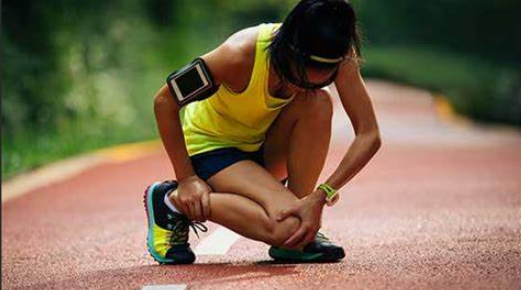
Cryotherapy, or the application of ice, is the gold standard for managing acute sports injuries during the initial 48 to 72 hours post-trauma. When a ligament is sprained or a muscle is strained, local blood vessels rupture, causing internal bleeding and rapid swelling. The primary objective of an ice compress is to induce immediate vasoconstriction—the narrowing of blood vessels. By restricting local blood flow, ice significantly limits the extravasation of fluid into the interstitial spaces, thereby controlling edema and reducing the hypoxic secondary injury that occurs when healthy cells are starved of oxygen due to excessive swelling.
When and How to Apply Cryotherapy
Ice should be the immediate go-to for sudden, sharp injuries such as ankle sprains, muscle tears, joint dislocations, and acute contusions. It is a critical component of the renowned R.I.C.E. protocol (Rest, Ice, Compression, Elevation). Beyond swelling control, cold therapy decreases the nerve conduction velocity of pain fibers, providing a natural, localized analgesic effect that reduces muscle spasms and discomfort.
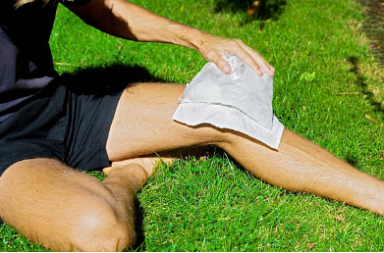
However, the application of ice must be strictly regulated to prevent tissue damage, such as frostbite. Ice should never be applied directly to bare skin. Always use a protective barrier, such as a thin towel or a specialized gel pack sleeve. The optimal duration for an ice compress is 15 to 20 minutes per session, allowing the skin to return to normal temperature for at least 45 to 60 minutes before reapplication. Leaving ice on an injury for extended periods can trigger the “hunting response,” where the body reflexively vasodilates vessels to warm the tissue, paradoxically increasing swelling.
Hot Compress Therapy: Stimulating Blood Flow and Healing
While ice is the champion of acute injury management, heat therapy (thermotherapy) is the ultimate tool for chronic pain, muscle stiffness, and the later stages of the healing process. Applying a hot compress induces vasodilation—the widening of blood vessels. This localized increase in circulation floods the targeted area with oxygen, nutrients, and specialized immune cells required to rebuild damaged tissue. Furthermore, heat increases the extensibility of collagen tissues, making it an excellent modality for relaxing tight muscles, soothing joint stiffness, and relieving the symptoms of delayed onset muscle soreness (DOMS).
Ideal Scenarios for Heat Application
Heat should exclusively be utilized after the acute inflammatory phase has completely subsided, which is typically 72 hours after the initial injury. Applying heat to a fresh, swollen injury will actively encourage bleeding and exacerbate edema, significantly worsening the damage. Hot compresses are ideal for chronic conditions such as tendinosis, chronic lower back pain, tension headaches, and pre-workout muscle warming.
For safe and effective application, utilize moist heat sources, such as warm damp towels or specialized microwavable hydrocollator packs, as moist heat penetrates deeper into the muscular fascia compared to dry heat (like electric heating pads). Maintain the temperature at a comfortably warm, non-scalding level, and apply for 15 to 30 minutes. Continuous monitoring of the skin is essential to prevent erythema ab igne or superficial burns.
Comparative Analysis: Hot vs. Ice Compress
| Modality | Physiological Effect | Ideal Timing | Target Conditions | Contraindications |
|---|---|---|---|---|
| Ice Compress | Vasoconstriction, reduced cellular metabolism, numbing of nerve endings. | Immediate to 72 hours post-injury (Acute Phase). | Sprains, strains, acute bruises, active swelling, sharp pain. | Poor circulation, Raynaud’s disease, chronic stiffness, open wounds. |
| Hot Compress | Vasodilation, increased tissue oxygenation, muscle relaxation. | 72+ hours post-injury (Sub-acute/Chronic Phase). | Chronic muscle knots, joint stiffness, old injuries, DOMS. | Acute inflammation, fresh bleeding, active infections, severe edema. |
Fascia Guns: Unlocking Deep Tissue Relaxation
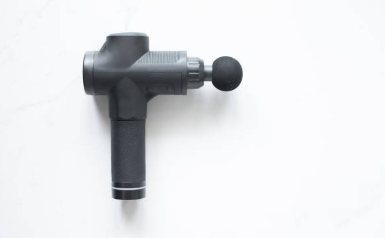
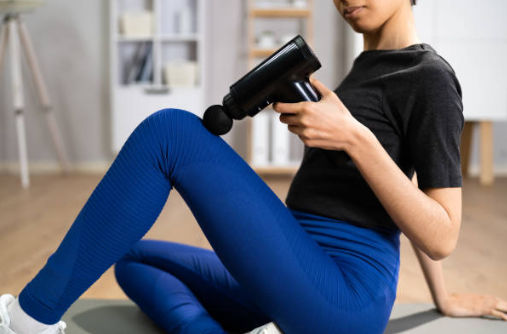
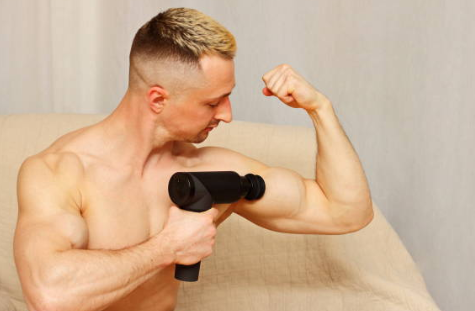
The advent of percussive therapy has revolutionized personal muscle recovery. Fascia guns, also known as massage guns, utilize rapid, high-frequency mechanical percussions to penetrate deep into the muscular layers and the surrounding fascial web. The fascia is a continuous sheath of connective tissue that encases muscles, bones, and nerves. Through intense physical activity, poor posture, or dehydration, this fascia can become rigid, forming adhesions and trigger points that restrict range of motion and cause localized pain. Fascia guns effectively disrupt these adhesions, restoring tissue elasticity and promoting optimal biomechanical function.
The Science Behind Percussive Massage
Fascia guns operate on the principles of amplitude, frequency, and torque. The rapid striking motion creates a neuromuscular response that overrides pain signals sent to the brain—a concept known as the Gate Control Theory of Pain. Additionally, the mechanical pressure stimulates the Golgi tendon organs and muscle spindles, down-regulating the sympathetic nervous system and forcing hyperactive muscle fibers to relax. This targeted mechanical manipulation also creates a localized hyperemic effect, forcibly flushing stagnant, deoxygenated blood and metabolic waste products (such as lactic acid) out of the tissue, while drawing in fresh, oxygen-rich blood to accelerate cellular repair.
Advanced Fascia Gun Techniques and Safety Protocols
Despite their immense benefits, fascia guns are powerful mechanical devices that require precise, educated operation. Improper use can lead to severe bruising, nerve damage, or the exacerbation of existing injuries. The key to unlocking the full potential of a massage gun lies in understanding anatomical boundaries, selecting the appropriate attachment heads, and mastering the sweeping technique across the muscle belly.
Step-by-Step Operation Guide
To ensure a safe and highly effective percussive therapy session, users must adhere to strict operational protocols. Never force the device into the muscle; the weight of the gun itself provides sufficient pressure. Your objective is to glide the device fluidly, allowing the percussions to penetrate naturally without inducing a pain response that causes the muscle to guard or tense up.
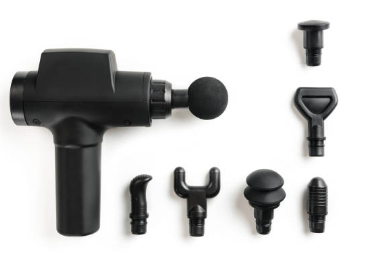
- Select the Correct Attachment: Use the large round foam head for large muscle groups (glutes, quads, chest). Utilize the flat head for dense muscle areas (calves, hamstrings). Reserve the bullet head strictly for pinpoint trigger points, and use the fork (U-shaped) head exclusively for sweeping along the erector spinae muscles on either side of the spine, avoiding the vertebrae entirely.
- Start Low and Slow: Always power on the device before making contact with the body. Begin at the lowest frequency setting to assess tissue tolerance. Gradually increase the speed only if the muscle requires deeper penetration and exhibits no pain response.
- Target the Muscle Belly: Glide the fascia gun smoothly along the length of the muscle belly, moving at a rate of approximately one inch per second. Spend 30 to 60 seconds on a muscle group for pre-workout activation, and up to 120 seconds for post-workout deep relaxation.
- Strict Avoidance Zones: Absolutely never apply a fascia gun directly over bones, joints, the cervical spine (neck), the front of the throat, or areas with superficial nerve bundles (such as the armpit or the back of the knee). Furthermore, avoid using the device on acute injuries, fresh sprains, or areas exhibiting severe swelling.
Integrating Modalities for Optimal Rehabilitation
Achieving peak physical recovery is rarely the result of a single intervention. Elite athletes utilize a synergistic approach, combining thermal therapies, mechanical massage, and strict lifestyle management to accelerate healing. By intelligently sequencing these modalities, you can manipulate the body’s physiological responses to your distinct advantage.
For example, a highly effective protocol for managing chronic muscle tightness involves a sequential application of heat and percussive therapy. Begin by applying a moist hot compress to the affected area for 15 minutes to induce vasodilation and increase fascial pliability. Once the tissue is thoroughly warmed and the superficial blood vessels are expanded, immediately follow up with a 2-minute fascia gun session using a broad, flat attachment. The pre-warmed tissue will accept the mechanical percussions much more deeply and with significantly less discomfort, resulting in profound fascial release. However, none of these physical interventions will reach their maximum efficacy if the body is systemically compromised. Abstaining from alcohol during the recovery window, maintaining aggressive hydration protocols, and ensuring 7-9 hours of high-quality sleep are the foundational pillars that support all external therapeutic modalities.
Frequently Asked Questions (FAQ)
- Can I use contrast therapy (alternating hot and cold) for injury recovery?
- Yes, contrast water therapy or alternating hot and cold compresses can be highly effective, but only during the sub-acute phase (typically 3 to 5 days post-injury). The rapid alternation between vasodilation (heat) and vasoconstriction (cold) creates a “pumping” effect in the vascular system, which helps to flush out residual metabolic waste and reduce lingering edema. A standard protocol involves 3 minutes of heat followed by 1 minute of cold, repeated 3 to 4 times, always ending on cold.
- How long after drinking alcohol does it take for muscle recovery to normalize?
- The negative effects of alcohol on muscle protein synthesis and systemic inflammation can persist for 24 to 48 hours depending on the volume consumed. Because alcohol impairs liver function, glycogen synthesis, and deep sleep architecture, the recovery deficit carries over into the following days. For optimal recovery, it is advised to completely abstain from alcohol for at least 48 hours following severe physical exertion or an acute injury.
- Is it normal to feel sore after using a fascia gun?
- Mild tenderness can occur, especially if you have targeted deep trigger points or utilized a rigid attachment like the bullet head. However, a fascia gun should never cause sharp pain or severe bruising. If you experience significant soreness or visible bruising, you have applied excessive pressure, used the device for too long on a single spot, or operated it at an unnecessarily high frequency. Always prioritize a sweeping, gliding motion over sustained, heavy pressure.
- Should I apply ice or heat to a muscle cramp?
- For an active muscle cramp or spasm, heat is generally the preferred thermal modality. Heat increases local blood flow, delivering oxygen and electrolytes to the seizing muscle while promoting muscular relaxation. Ice may paradoxically cause the muscle fibers to contract further due to the reflexive response to cold. Gentle stretching paired with a warm compress yields the best results for alleviating cramps.
- Can a fascia gun replace a traditional pre-workout warm-up?
- No. While a fascia gun is an excellent supplemental tool for pre-workout muscle activation, it cannot replace a dynamic warm-up. Percussive therapy increases local blood flow and enhances tissue elasticity, but it does not raise the core body temperature, lubricate the joints with synovial fluid, or prime the central nervous system for complex movement patterns. Use the fascia gun for 30 seconds per muscle group as a precursor to your active, dynamic warm-up routine.
Sports recovery note: This article is general information only. It is not medical diagnosis, physical therapy, treatment planning, emergency care, or professional advice. For pain, injury, rehabilitation, psychological distress, or return-to-play decisions, consult qualified health professionals.

Related Posts