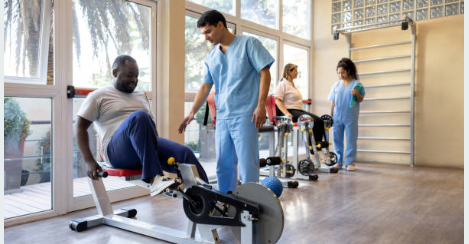
Sports injury rehabilitation is a multifaceted journey that transcends simple rest. It requires a systematic approach to restoring function, strength, and confidence. Whether you are an elite athlete recovering from an ACL reconstruction, a senior focused on fall prevention, or an office worker dealing with the repercussions of prolonged sitting, understanding the mechanics of rehabilitation is essential. This guide synthesizes expert knowledge across various injury types and demographics to provide a definitive blueprint for physical restoration.
Foundations of Lower Extremity Rehabilitation: Knee and Ankle Care
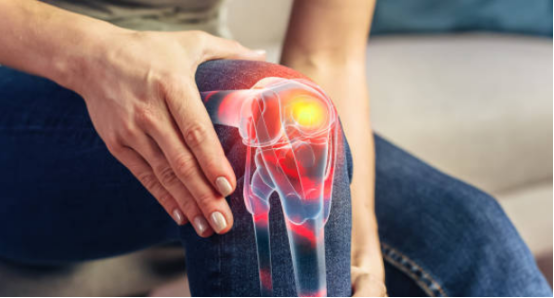
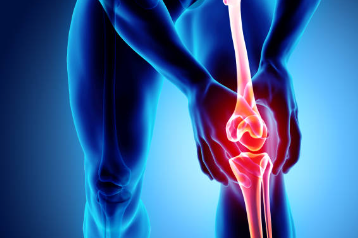
The lower extremities bear the brunt of mechanical load during daily activities and sports. Effective rehabilitation begins with addressing the physiological stressors that contribute to pain and dysfunction. For many, knee pain is exacerbated by excess body weight, which increases the compressive forces on the joint during movement. Scientific data suggests that even a modest reduction in weight can significantly decrease the risk of osteoarthritis and chronic inflammation.
Knee Injury Rehabilitation and Weight Management
Weight management is a primary pillar for knee health. Every pound lost can result in a four-fold reduction in the load exerted on the knee joint per step. Rehabilitation protocols should integrate low-impact aerobic activities with strength training to facilitate calorie expenditure without overstressing the joint. At-home exercises such as Quadriceps Sets, Straight Leg Raises, and Heel Slides are critical for maintaining range of motion and preventing muscle atrophy during the early stages of recovery.
Ankle Sprain Recovery and Functional Action
Ankle sprains are among the most common sports injuries, yet they are frequently mistreated. A “return to health” action plan involves a transition from the R.I.C.E. (Rest, Ice, Compression, Elevation) protocol to active mobilization. Stability training is paramount to prevent recurrent sprains. Exercises should focus on proprioception—the body’s ability to sense its position in space. Utilizing balance boards or performing single-leg stands can retrain the neural pathways disrupted by the ligamentous injury.
Comprehensive Plantar Fasciitis Treatment
Plantar Fasciitis requires a multi-dimensional approach to relieve pain and restore foot health. The focus is on stretching the posterior chain, including the calves and the plantar fascia itself. Consistent use of a tennis ball for self-myofascial release under the foot, combined with Towel Curls and Eccentric Heel Drops, can mitigate the stabbing pain associated with the first steps in the morning.
Spinal Health and Core Stability Protocols
The spine serves as the central pillar of the human body. Dysfunction in the lower back or thoracic region can lead to a cascade of compensatory injuries. Rehabilitation for the back must focus on “core stability” rather than just “core strength,” emphasizing the deep stabilizing muscles like the transverse abdominis and multifidus.
Must-Do Exercises for Lower Back Pain
For individuals suffering from chronic lower back pain, the goal is to create a “stiff” and supportive core that protects the lumbar vertebrae. The following table outlines the foundational exercises for back rehabilitation:
| Exercise | Target Muscle Group | Benefit |
|---|---|---|
| Bird-Dog | Multifidus & Core | Improves spinal stability and coordination. |
| Dead Bug | Transverse Abdominis | Teaches core engagement while moving limbs. |
| Cat-Cow | Spinal Extensors | Promotes segmental spinal mobility. |
| Glute Bridge | Gluteus Maximus | Reduces lumbar load by strengthening the posterior chain. |
Adolescent Scoliosis Management
Rehabilitation for adolescent scoliosis is distinct, focusing on preventing curve progression and improving postural symmetry. Exercise programs like the Schroth Method emphasize three-dimensional breathing and muscle activation to de-rotate the spine. Early intervention is crucial, as the adolescent skeleton is still developing and more responsive to corrective exercises.

Advanced Strategies for Running and High-Impact Sports
Running enthusiasts and high-impact athletes face unique challenges, specifically related to overuse injuries and ligamentous tears. Rehabilitation in this sector must be progressive and data-driven to ensure a safe return to competitive play.
ACL Injury Recovery and Return-to-Field Guidelines
An ACL injury is a transformative event for an athlete. The rehabilitation timeline typically spans 9 to 12 months. The process is divided into phases:
- Phase 1: Acute recovery, reducing swelling, and restoring full extension.
- Phase 2: Strength development, focusing on the hamstrings and quadriceps.
- Phase 3: Plyometrics and agility training to prepare for directional changes.
- Phase 4: Sport-specific drills and psychological readiness assessment.
Post-Race Rehabilitation for Marathon Runners
The physiological toll of a marathon requires a structured recovery period. Post-race rehabilitation should include active recovery (walking or light swimming), adequate protein intake for muscle repair, and targeted mobility work. Runners should avoid returning to high-intensity training for at least 2-3 weeks to allow the endocrine and musculoskeletal systems to fully recover.
Yoga Injury Prevention and Techniques
While yoga is often viewed as a “safe” activity, improper alignment can lead to wrist, shoulder, and hamstring injuries. Prevention involves emphasizing “active flexibility”—where muscles are engaged even while being stretched. Practitioners should focus on core engagement to protect the lower back during deep backbends and ensure proper shoulder stacking in inversions.
Specialized Rehabilitation for Different Life Stages
Physical therapy and rehabilitation are not “one size fits all.” Different demographics require tailored approaches to address their specific physiological needs and lifestyle constraints.
Senior Fall Prevention and Balance Training
For seniors, rehabilitation is often focused on maintaining independence and preventing falls. Training should emphasize Dynamic Balance (moving while maintaining stability) and Lower Body Power. Exercises like Sit-to-Stands and Tandem Walking are highly effective. Developing daily balance habits is a critical component of a senior wellness plan, reducing the risk of hip fractures and other catastrophic injuries.
Youth Sports Injury and Growth Support
Rehabilitating young athletes requires a careful balance between recovery and supporting natural growth. Overuse injuries, such as Osgood-Schlatter disease, are common. Education on proper mechanics and the importance of rest is vital. Coaches and parents must prioritize long-term health over short-term performance to ensure the athlete’s “sports dreams” are not cut short by preventable chronic issues.
Postpartum Exercise Rehabilitation
Postpartum women face significant physical changes, including diastasis recti (abdominal separation) and pelvic floor weakness. Rehabilitation should focus on Re-establishing the Breath-Core Connection. Gentle exercises like Pelvic Tilts and Kegels should precede any high-impact activity. The goal is to reshape body health and functional strength from the inside out.
Occupational Rehabilitation: The Office Worker’s Plan
Prolonged sitting is often referred to as “the new smoking” due to its impact on metabolic health and posture. Office workers frequently suffer from “Upper Crossed Syndrome” (tight chest/neck, weak back) and “Lower Crossed Syndrome” (tight hip flexors, weak glutes).
Rehabilitation Plan for Prolonged Sitting
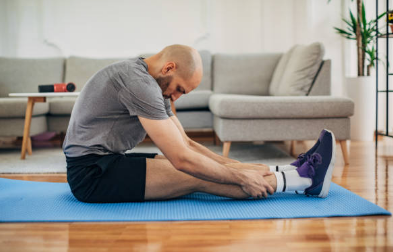
An effective plan for office workers involves “movement snacks” throughout the day.
- Thoracic Extensions: To counteract slouching.
- Hip Flexor Stretches: To release tension from sitting.
- Glute Squeezes: To combat “gluteal amnesia.”
Frequently Asked Questions (FAQ)
- Q1: How soon can I start exercising after a sports injury?
- The timeline depends on the severity of the injury. For minor strains, active recovery can begin within 48-72 hours once the acute pain subsides. For major injuries like ACL tears, you must follow a surgeon’s protocol, typically starting with gentle range-of-motion work within days of surgery, but high-impact activity may be months away.
- Q2: Why is weight management important for knee rehabilitation?
- Weight management is critical because the knee is a weight-bearing joint. Reducing body weight decreases the mechanical stress and inflammation within the joint capsule, allowing for faster healing and reducing the long-term risk of degenerative joint disease.
- Q3: Can I rehabilitate an ankle sprain at home?
- Grade 1 and some Grade 2 sprains can be managed at home with consistent R.I.C.E. followed by strengthening and balance exercises. However, if there is an inability to bear weight or significant deformity, a professional evaluation is necessary to rule out fractures or complete ligament tears.
- Q4: What are the best exercises for postpartum recovery?
- Postpartum recovery should focus on the deep core and pelvic floor. Diaphragmatic breathing, pelvic tilts, and bird-dogs are excellent starting points. It is essential to avoid crunches or heavy lifting until the pelvic floor is stable and any abdominal separation has been addressed.
- Q5: How can seniors improve their balance to prevent falls?
- Seniors should engage in daily balance training, such as standing on one leg (while holding a chair for safety) and heel-to-toe walking. Strengthening the legs with squats or leg presses also provides the necessary power to “catch” oneself if a trip occurs.
Sports recovery note: This article is general information only. It is not medical diagnosis, physical therapy, treatment planning, emergency care, or professional advice. For pain, injury, rehabilitation, psychological distress, or return-to-play decisions, consult qualified health professionals.
Related Posts