The Architectural Legacy of the Olympic Museum
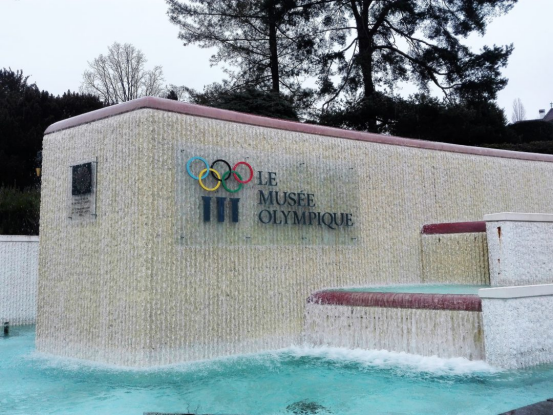
Perched gracefully on the banks of Lake Geneva, the Olympic Museum in Lausanne stands as a testament to the enduring power of the Olympic Movement. Unlike traditional museums, this structure integrates seamlessly with its natural surroundings, utilizing terraced gardens and a minimalist aesthetic to mirror the fluidity of athletic motion.
Design Philosophy and Integration
The museum was designed by architects Pedro Ramírez Vázquez and Jean-Pierre Cahen. Their vision was to create a space that felt like a natural extension of the park. The use of white concrete and glass allows the building to harmonize with the Swiss landscape, while the interior layout guides visitors through a chronological journey of human achievement.

Preserving the Olympic Spirit Through History
The core mission of the museum is to preserve the history of the Modern Olympic Games, initiated by Pierre de Coubertin. It serves as a repository for thousands of artifacts, ranging from antique torches to athlete uniforms and personal mementos that define the competitive spirit.
Key Historical Milestones
- 1896: The revival of the Modern Games in Athens.
- 1914: The introduction of the iconic five-ring Olympic symbol.
- 1993: The grand opening of the current museum site in Ouchy, Lausanne.

Interactive Exhibits and Visitor Experience
Modern visitors expect more than static displays. The museum utilizes cutting-edge technology, including virtual reality and interactive touchscreens, to place guests in the shoes of Olympians. From the intense training regimens to the sensory overload of the stadium atmosphere, the experience is designed to be visceral and educational.
| Exhibit Area | Focus | Experience Type |
|---|---|---|
| The World | Olympic History | Multimedia/Immersive |
| The Games | Technology & Sport | Interactive/Gamified |
| The Spirit | Values & Philosophy | Contemplative/Artistic |

Pro Tips for Your Visit
To get the most out of your trip to Lausanne, planning is essential. The museum is a major highlight, but the surrounding Olympic Park is equally significant.
Expert Advice
- Time Allocation: Budget at least 3 to 4 hours to fully appreciate the exhibits and the park sculptures.
- Best View: Visit the TOM Café terrace for a panoramic view of the Alps and Lake Geneva.
- Accessibility: The museum is fully accessible, making it a great destination for families and travelers with limited mobility.

The Global Impact of the Olympic Movement
The museum serves as a hub for international discourse on sports ethics, inclusion, and the role of the Olympic Games in promoting global peace. By highlighting the stories of individual athletes, the museum humanizes the statistics and underscores the universal language of sport.

Frequently Asked Questions (FAQ)
- Is the Olympic Museum open every day?
- The museum typically operates daily during the summer season, but it is recommended to check the official website for seasonal closures or event-related private bookings.
- How much does admission cost?
- Ticket prices vary for adults, seniors, and children. Discounts are often available for groups and holders of the Swiss Travel Pass.
- Can I see the Olympic Flame at the museum?
- Yes, the museum features a permanent flame that burns outside, representing the eternal nature of the Olympic spirit.
- Is the museum suitable for young children?
- Absolutely. The interactive nature of the exhibits makes it highly engaging for children, and there are specific educational programs tailored to school-aged visitors.
Editorial note: This is independent cultural and historical commentary. It is not official, authorized, sponsored, endorsed by, or affiliated with the International Olympic Committee, Olympic Games organizers, teams, venues, museums, athletes, or rights holders mentioned.

Related Posts