The Rio 2016 Legacy: A Vision Versus Reality
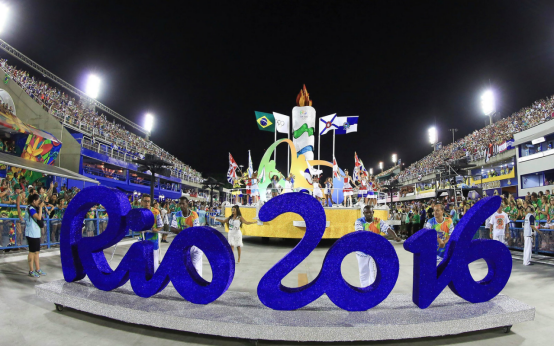
The 2016 Summer Olympics in Rio de Janeiro were marketed as a catalyst for urban renewal and sustainable development. However, the years following the closing ceremony have revealed a complex narrative of “white elephants,” decaying infrastructure, and significant ecological challenges. This analysis delves into the systemic issues faced by the host city and the broader implications for future Olympic host cities.
The Promise of Urban Transformation
The initial master plan aimed to integrate the Olympic Park into the city’s fabric, promising long-term residential and public use. While some areas saw improvements in transportation, the transition from event-hosting to public utility proved to be a monumental hurdle for local governance and private stakeholders.

Environmental Impact and Ecological Consequences
Hosting the Olympics requires massive land clearing and resource consumption. In Rio, the environmental impact was particularly scrutinized due to the proximity of protected areas and the state of Guanabara Bay. Despite pledges to clean up water sources and implement green construction, the long-term ecological results have been mixed at best.
Guanabara Bay: The Unfinished Clean-up
One of the most publicized environmental goals was the restoration of Guanabara Bay. While some investments were made in sanitation infrastructure, the bay remains heavily polluted, highlighting the difficulty of using mega-events to solve multi-decade infrastructure failures.
| Environmental Aspect | Stated Goal | Post-Games Outcome |
|---|---|---|
| Water Quality | 80% reduction in sewage | Persistent pollution levels |
| Carbon Footprint | Neutrality through offsets | High emissions from construction |
| Green Spaces | Preservation and expansion | Encroachment and mismanagement |

The Challenge of White Elephants
A “white elephant” in the context of the Olympics refers to a venue that is expensive to maintain but serves little purpose after the games conclude. In Rio, several venues in the Barra Olympic Park have struggled with maintenance costs, leading to limited accessibility for the general public.
Operational Strategies for Repurposing
- Modular Design: Future cities must prioritize deconstructible venues.
- Community Integration: Facilities should be planned as schools or community centers before the games begin.
- Private-Public Partnerships: Establishing clear maintenance contracts before construction starts.

Lessons for Future Host Cities
The Rio 2016 experience serves as a cautionary tale for the International Olympic Committee (IOC) and prospective hosts. The emphasis must shift from “building for the event” to “building for the citizen.”
Pro Tips for Sustainable Hosting
Expert urban planners suggest that host cities should leverage existing infrastructure rather than constructing new venues. By focusing on renovation and temporary architecture, cities can minimize their environmental footprint and avoid long-term financial burden.
Frequently Asked Questions (FAQ)
- What is a white elephant in the context of the Olympics?
- It refers to a large-scale sports facility that is built specifically for the Games but falls into disuse, decay, or financial insolvency once the event ends.
- Did Rio 2016 succeed in its environmental goals?
- While there were successful infrastructure upgrades, the most significant goals, such as the full restoration of Guanabara Bay, were largely unmet due to systemic socio-economic challenges.
- How can future host cities avoid the problems seen in Rio?
- Future hosts are encouraged to use temporary venues, renovate existing structures, and create a legacy plan that integrates the facilities into the local community’s daily needs.
- What happened to the Barra Olympic Park?
- The park has faced significant maintenance issues, with many areas restricted to the public, leading to ongoing debates about its long-term viability and repurposing efforts.
Editorial note: This is independent cultural and historical commentary. It is not official, authorized, sponsored, endorsed by, or affiliated with the International Olympic Committee, Olympic Games organizers, teams, venues, museums, athletes, or rights holders mentioned.

Related Posts