The Architectural Evolution of Olympic Host Cities
The Olympic Games serve as more than just a sporting event; they act as a global stage for host cities to define their architectural identity. Throughout history, the construction of venues has functioned as a reflection of the host nation’s political climate, technological aspirations, and long-term urban planning strategies. From the monumentalism of mid-20th-century regimes to the sustainable redevelopment models of contemporary metropolises, the architecture of the Games provides a physical record of shifting global priorities.
The Role of Infrastructure in Urban Revitalization
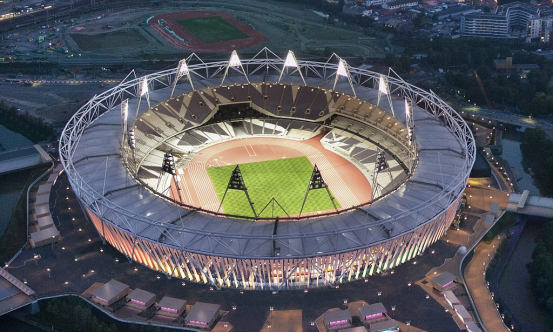
Modern Olympic bidding processes now prioritize the “legacy” of the built environment. Rather than creating white elephants, cities like London have demonstrated how the Games can be leveraged to catalyze the regeneration of neglected urban zones.
- Strategic Planning: Utilizing sporting infrastructure to anchor long-term residential and commercial development.
- Sustainability Metrics: Transitioning from temporary structures to permanent community assets post-Games.

Architecture as a Tool for Political Propaganda
The 1936 Berlin Olympics remain the most stark example of architecture being weaponized to project ideological dominance. Under the Nazi regime, the Reichssportfeld was designed to intimidate and impress, using Neoclassical aesthetics to align the Third Reich with the grandeur of ancient civilizations.
Structural Symbolism and Ideology
The architecture of the 1936 Games was not merely about function but about creating an atmosphere of totalizing power. The use of vast, open spaces and imposing stone structures was intended to make the individual feel small in comparison to the state.
| Element | Purpose | Impact |
|---|---|---|
| Olympiastadion | Displaying national might | Global propaganda reach |
| Maifeld | Mass mobilization | Visualizing collective unity |

The Exploration of Modernity in 1964 Tokyo
The 1964 Tokyo Olympics marked Japan’s re-emergence on the global stage, using architecture to signal a transition into a high-tech, modern era. Kenzo Tange’s Yoyogi National Gymnasium stands as a pinnacle of this movement, blending traditional Japanese structural aesthetics with avant-garde engineering.
Technological Innovation as a National Statement
Tokyo 1964 moved away from the heavy monumentalism of the past, opting for lightweight, soaring roof structures that symbolized progress and efficiency. This shift influenced architectural trends globally, proving that Olympic venues could be iconic works of art rather than just utilitarian shells.

Social and Cultural Impact of Olympic Venues
Beyond the politics of the state, the architecture of the Games impacts the daily lives of local citizens. In cities like Moscow (1980), the infrastructure development left a complex legacy of grand-scale urban planning that defined the city’s post-war identity, balancing socialist realism with the practical needs of a growing metropolis.
Frequently Asked Questions (FAQ)
- Q1: How did the 1936 Berlin Olympics change the perception of Olympic architecture?
- The 1936 Games established a precedent for using the Olympics as a massive propaganda tool, where architecture was explicitly designed to communicate political ideology and state power to an international audience.
- Q2: What is the primary difference between early Olympic architecture and modern approaches?
- Early architecture focused on monumentalism and political messaging, whereas modern approaches emphasize urban regeneration, sustainability, and the long-term utility of the buildings for the local community.
- Q3: Why was Tokyo 1964 considered a turning point for modern architecture?
- Tokyo 1964 moved the needle toward structural expressionism and technological innovation, utilizing advanced materials and engineering to create iconic, lightweight forms that symbolized a peaceful, modern nation.
- Q4: Can Olympic architecture ever be purely functional?
- While functional requirements are always present, the scale and visibility of the Olympics make it nearly impossible to avoid symbolic architecture, as every venue serves as a cultural marker of the host city’s capacity and values.
Editorial note: This is independent cultural and historical commentary. It is not official, authorized, sponsored, endorsed by, or affiliated with the International Olympic Committee, Olympic Games organizers, teams, venues, museums, athletes, or rights holders mentioned.

Related Posts