Understanding the Fundamentals of Sports Rehabilitation
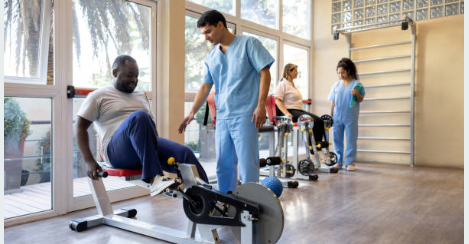
Sports rehabilitation is a specialized branch of physical therapy designed not merely to heal injuries, but to restore peak athletic function. Unlike general rehabilitation, which focuses on restoring basic activities of daily living (ADLs), sports rehabilitation emphasizes the return to high-intensity movement, explosive power, and injury prevention under load.
Core Components of the Recovery Process
- Functional Assessment: Utilizing biomechanical analysis to identify movement compensations.
- Dynamic Loading: Implementing progressive resistance training to rebuild tissue resilience.
- Neuromuscular Re-education: Retraining the brain-body connection to ensure proper motor patterns post-injury.
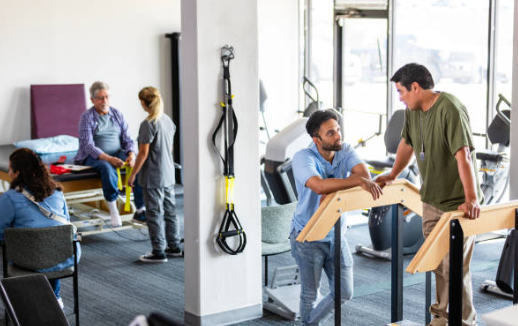
Sports Rehabilitation vs. Regular Rehabilitation: Key Differences
While standard orthopedic rehabilitation is sufficient for sedentary individuals to resume normal walking and sitting, it often falls short for athletes. Orthopedic doctors frequently overlook the specific demands of sports, such as deceleration forces, rotational stability, and reactive agility.
| Feature | Regular Rehabilitation | Sports Rehabilitation |
|---|---|---|
| Primary Goal | Basic Functionality | Peak Athletic Performance |
| Intensity | Low to Moderate | High-Demand/Sport-Specific |
| Focus | Pain Management | Performance Optimization |
In sports rehab, we prioritize the kinetic chain. If an athlete suffers an ACL tear, regular rehab might focus on quad strength. Sports rehab, however, will simultaneously address hip stability, ankle mobility, and core-to-extremity power transfer to prevent future injury.
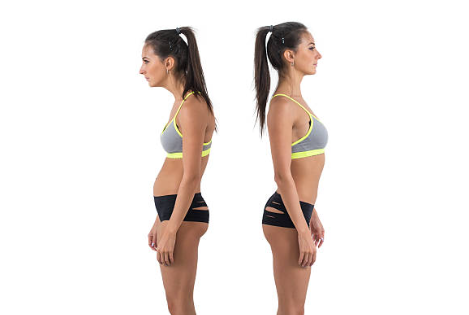
Sports Rehabilitation and Posture Correction
Posture is the foundation of movement efficiency. Chronic misalignment—often caused by repetitive sports-specific movements or sedentary desk work—creates muscular imbalances. Sports rehabilitation professionals use corrective exercise to reset these patterns, effectively “reshaping” the body for better energy transfer and reduced injury risk.
The Role of Alignment in Injury Prevention
Poor posture, such as rounded shoulders or anterior pelvic tilt, restricts joint range of motion and puts undue stress on connective tissues. By focusing on thoracic mobility and posterior chain activation, athletes can improve their athletic posture, which allows for greater power output and metabolic efficiency during training.
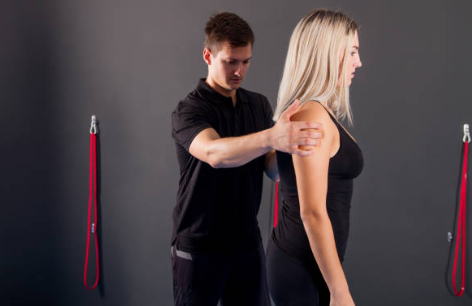
Comprehensive Guide to Injury Rehabilitation
Rehabilitation is a journey from pain to performance. The process follows a logical hierarchy: inflammation control, range of motion restoration, strength building, and finally, sport-specific integration. For high-intensity disciplines like CrossFit, this means incorporating Olympic lifting mechanics and high-volume gymnastics back into the program safely.
Phases of Recovery
- Phase 1: Protection: Managing swelling and preventing further damage through immobilization or modified rest.
- Phase 2: Restoration: Reintroducing passive, then active range of motion to prevent adhesions.
- Phase 3: Strengthening: Progressive overload to prepare tissues for sport-specific loads.
- Phase 4: Return to Play: Reactive drills that simulate game-speed environments.
Frequently Asked Questions (FAQ)
- Q1: How long does sports rehabilitation typically take?
- The duration varies based on the severity of the injury and the demands of the sport. While standard rehab might take 6-12 weeks, high-level sports rehab for ligamentous injuries can last 6-9 months to ensure full return-to-sport readiness.
- Q2: Can I perform sports rehab on my own?
- While some corrective exercises can be done independently, professional oversight is critical. A therapist ensures that your biomechanics are correct, preventing the development of compensatory patterns that lead to chronic issues.
- Q3: Is sports rehab only for professional athletes?
- Absolutely not. Anyone who participates in regular physical activity—from recreational runners to weekend gym-goers—can benefit from the high-performance standards of sports rehabilitation to improve longevity and function.
- Q4: How does CrossFit-specific rehabilitation differ from general rehab?
- CrossFit rehab requires a deep understanding of multi-planar movements, high-intensity interval training (HIIT), and complex weightlifting. It focuses on functional stability in unstable, high-fatigue environments, which is rarely addressed in traditional clinical settings.
Sports recovery note: This article is general information only. It is not medical diagnosis, physical therapy, treatment planning, emergency care, or professional advice. For pain, injury, rehabilitation, psychological distress, or return-to-play decisions, consult qualified health professionals.
Related Posts