Understanding the Psychological Impact of Sports Injuries
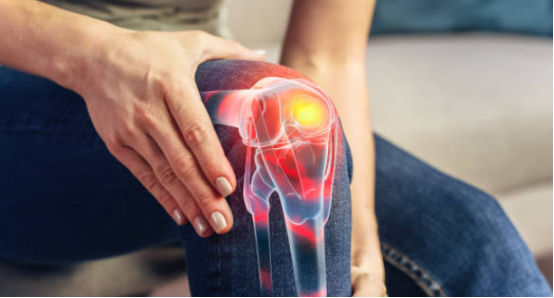
A sports injury often marks a pivotal and challenging moment in an athlete’s career, extending far beyond the physical trauma itself. While the immediate focus is typically on diagnosing and treating the physical damage, the psychological repercussions can be equally, if not more, debilitating. Athletes, whose identities are often deeply intertwined with their physical capabilities and performance, can experience a profound sense of loss, frustration, and uncertainty when sidelined. This initial shock can quickly evolve into a complex emotional landscape, characterized by a range of feelings from denial and anger to depression and anxiety.
The “why” behind this significant psychological impact lies in several factors. Firstly, sports participation provides not only physical benefits but also a structured environment for goal achievement, social interaction, and self-esteem building. An injury disrupts all these elements, stripping away routines and social connections, and forcing athletes to confront their vulnerability. Secondly, the pressure to perform, combined with societal expectations of resilience, can make it difficult for athletes to acknowledge or express their emotional struggles, often leading to internalized stress. Understanding these underlying principles is crucial for developing effective rehabilitation strategies that address both the body and the mind, fostering a holistic recovery process that prepares the athlete for a successful return to sport and life.
The Emotional Rollercoaster: Common Responses to Injury
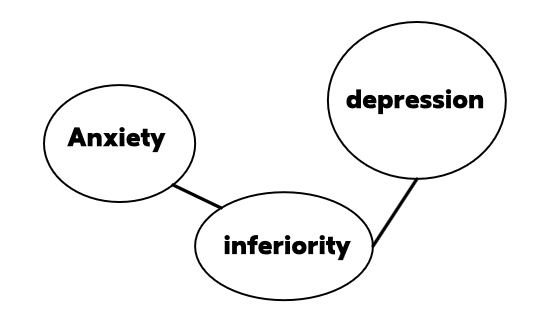
Athletes frequently cycle through a series of emotional stages following an injury, mirroring the grief process. Initially, there might be denial, a disbelief that the injury is real or severe. This can quickly give way to anger, directed at themselves, opponents, coaches, or even fate. As the reality sets in, feelings of sadness, depression, and isolation can emerge, especially if the rehabilitation process is long or painful. Anxiety about the future, fear of re-injury, and concerns about losing fitness or position on a team are also prevalent. Recognizing these common responses allows support systems to provide appropriate empathy and guidance.
Impact on Identity and Self-Worth
For many athletes, their identity is inextricably linked to their sport. Being an “athlete” defines who they are, how they spend their time, and their social circles. An injury can shatter this identity, leading to an existential crisis. Questions like “Who am I without my sport?” or “What is my purpose now?” become common. This loss of identity can severely impact self-worth and mental well-being, making the psychological adjustment a critical component of rehabilitation. Addressing these deeper identity issues requires sensitivity and often professional psychological support.
Core Psychological Strategies for Rehabilitation
Navigating the complex emotional terrain of sports injury rehabilitation requires a proactive and structured approach to psychological well-being. Beyond the physical therapies, integrating specific mental strategies can significantly enhance recovery outcomes, accelerate return to play, and build lasting resilience. These core psychological strategies empower athletes to take an active role in their mental recovery, transforming a period of adversity into an opportunity for personal growth.
Acceptance and Positive Reframing
The first crucial step in psychological adjustment is accepting the reality of the injury. This doesn’t mean passively resigning oneself to fate, but rather acknowledging the current situation without judgment and shifting focus towards what can be controlled. Positive reframing involves consciously changing negative thought patterns into constructive ones. For example, instead of thinking “My career is over,” an athlete might reframe it as “This is an opportunity to strengthen other aspects of my game or develop new skills.” This cognitive restructuring helps in managing frustration and maintaining motivation.
Goal Setting and Visualization Techniques
Setting clear, realistic, and incremental goals is vital during rehabilitation. These goals should be SMART: Specific, Measurable, Achievable, Relevant, and Time-bound. Examples include “Increase range of motion by 5 degrees this week” or “Complete 3 pain-free sessions of X exercise.” Visualization, or imagery, is a powerful mental training technique where athletes mentally rehearse desired movements, successful rehabilitation exercises, or even their return to competition. This not only keeps skills sharp but also builds confidence and prepares the mind for future physical demands. The neurological basis suggests that mental practice can activate similar brain regions as physical practice, aiding in motor learning and muscle memory retention.
Leveraging Social Support Systems
No athlete should face rehabilitation alone. A strong social support network is a cornerstone of psychological recovery. This network can include coaches, teammates, family, friends, and medical professionals (physiotherapists, doctors, sport psychologists). Coaches can provide guidance and maintain a sense of belonging; teammates offer empathy and motivation; family and friends provide emotional comfort and practical assistance. Open communication within this network is crucial, allowing athletes to share their struggles and celebrate their small victories, reinforcing their commitment to recovery.
Building Mental Resilience: Advanced Techniques
While core strategies lay the groundwork, developing true mental resilience during sports rehabilitation often requires delving into more advanced psychological techniques. These methods not only aid in immediate recovery but also equip athletes with life skills that extend far beyond their sporting career, fostering a robust mindset capable of navigating future challenges. Building resilience transforms an athlete’s approach to adversity, allowing them to emerge stronger and more adaptable.
Mindfulness and Stress Reduction Practices
Mindfulness involves focusing on the present moment without judgment. Techniques such as guided meditation, deep breathing exercises, and body scans can significantly reduce anxiety, improve pain management, and enhance overall well-being. By training the mind to observe thoughts and sensations without getting caught up in them, athletes can reduce the mental chatter associated with fear of re-injury or frustration with slow progress. These practices cultivate a sense of calm and control, crucial for maintaining focus throughout the often-tedious rehabilitation process.
Professional Psychological Intervention
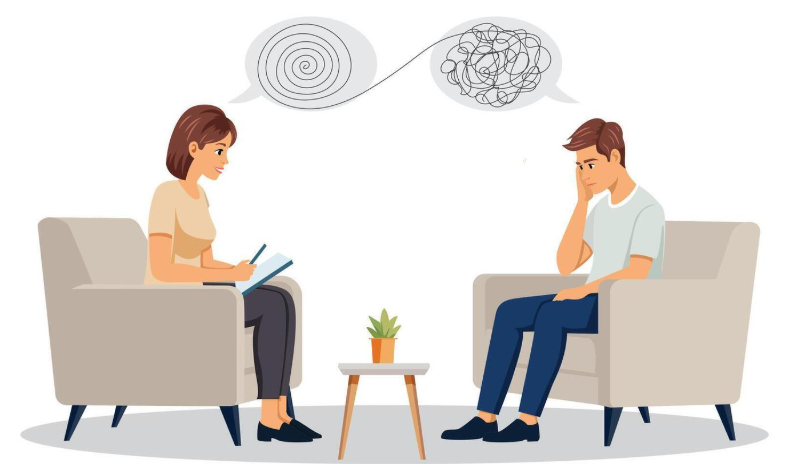
Sometimes, the emotional burden of an injury is too heavy to bear alone, or the psychological challenges are too complex for self-management. In such cases, professional psychological intervention becomes indispensable. A qualified sport psychologist or therapist can provide tailored support, using evidence-based techniques like Cognitive Behavioral Therapy (CBT) to address negative thought patterns, or Eye Movement Desensitization and Reprocessing (EMDR) for trauma related to the injury event. They can help athletes develop coping mechanisms, process grief, manage chronic pain, and navigate the difficult transition back to sport, ensuring a healthier psychological readiness.
The Role of Mental Toughness in Rehab
Mental toughness is a collection of attributes that allow individuals to persevere through challenges, cope with pressure, and perform consistently at their best. In rehabilitation, mental toughness manifests as persistence in exercises, adherence to protocols, and the ability to stay positive despite setbacks. It’s not an innate trait but a skill developed through deliberate practice and challenging experiences. Athletes can cultivate mental toughness by embracing discomfort, setting high but realistic standards, learning from failures, and maintaining an unwavering belief in their ability to recover and succeed. This internal fortitude is perhaps the most significant predictor of successful rehabilitation outcomes.

Integrating Psychological Support into Your Rehab Plan
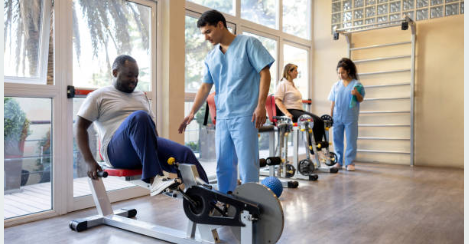
For optimal recovery, psychological support should not be an afterthought but an integral component of the overall rehabilitation plan, working in synergy with physical therapy. A truly holistic approach recognizes the interconnectedness of the mind and body, understanding that mental well-being directly impacts physical healing and vice-versa. Integrating psychological strategies from day one ensures that athletes are supported through every phase of their recovery journey, from acute injury to full return to sport.
Creating a Holistic Rehabilitation Team
A comprehensive rehabilitation team extends beyond just physiotherapists and doctors. It should ideally include a sport psychologist, strength and conditioning coach, nutritionist, and even mental performance coaches. Each professional brings a unique perspective and set of skills that contribute to the athlete’s complete recovery. Regular communication and collaborative goal-setting among team members ensure that physical, mental, and nutritional needs are addressed cohesively, preventing gaps in care and optimizing progress.
Monitoring Psychological Progress and Readiness
Just as physical progress is tracked (e.g., range of motion, strength), psychological progress should also be monitored. This can involve regular check-ins with a sport psychologist, self-assessment questionnaires on mood and anxiety levels, or journaling. Assessing psychological readiness for return to play is particularly critical. This includes evaluating confidence levels, fear of re-injury, body awareness, and the ability to cope with competitive pressure. A premature return to sport due to insufficient psychological preparation can lead to re-injury or performance anxiety.
Pro Tips for Athletes in Rehabilitation
- Educate Yourself: Understand your injury and the rehabilitation process. Knowledge empowers you and reduces anxiety.
- Celebrate Small Wins: Acknowledge and celebrate every step of progress, no matter how minor. This reinforces positive behavior and motivation.
- Maintain Routine: Even if you can’t participate in your sport, maintain a routine that includes other forms of exercise, healthy eating, and consistent sleep.
- Stay Connected: Keep in touch with teammates and coaches. Maintaining social ties prevents feelings of isolation.
- Practice Self-Compassion: Be kind to yourself during setbacks. Recovery is not linear, and patience is key.
- Develop New Skills: Use the downtime to explore new hobbies, learn a language, or focus on academic/career development.
- Journal Your Journey: Writing down thoughts and feelings can provide clarity, help process emotions, and track progress.
Comparison of Psychological Support Methods
| Method | Description | Primary Benefit | When to Use |
|---|---|---|---|
| Self-Care & Mindfulness | Meditation, deep breathing, journaling, positive self-talk. | Stress reduction, emotional regulation, self-awareness. | Daily practice, mild anxiety, general well-being. |
| Social Support | Engaging with coaches, teammates, family, friends. | Belonging, empathy, practical help, motivation. | Throughout rehab, especially during challenging phases. |
| Goal Setting & Visualization | SMART goals, mental rehearsal of movements/success. | Motivation, focus, confidence building, motor learning. | Regularly from early rehab to return to play. |
| Professional Intervention | Therapy (CBT, EMDR) with a sport psychologist. | Addressing deep-seated trauma, severe anxiety/depression, complex coping. | Persistent negative emotions, significant performance anxiety, identity crisis. |
Frequently Asked Questions (FAQ)
- How long does psychological adjustment typically take during sports rehab?
- The timeline for psychological adjustment varies greatly among individuals and depends on factors like injury severity, prior mental health, and available support systems. It’s not a linear process and can involve ups and downs. Some athletes adjust quickly within weeks, while others may struggle for months. The key is consistent effort in applying coping strategies and seeking help when needed, rather than focusing on a fixed duration.
- Can psychological stress hinder physical recovery?
- Absolutely. Chronic stress and negative psychological states (like anxiety or depression) can have physiological impacts. They can elevate cortisol levels, suppress the immune system, increase muscle tension, and even impair pain perception, potentially slowing down tissue healing and making physical rehabilitation more challenging and painful. A positive mental state, conversely, can facilitate recovery.
- What are the signs that an athlete needs professional psychological help during rehab?
- Key indicators include persistent sadness, hopelessness, or irritability lasting more than a few weeks; significant changes in sleep or appetite; withdrawal from social interactions; excessive fear or anxiety about returning to sport; inability to cope with pain or setbacks; and thoughts of self-harm. If these symptoms are present or if the athlete feels overwhelmed, seeking help from a sport psychologist or mental health professional is strongly recommended.
- How can coaches best support athletes psychologically during rehabilitation?
- Coaches can provide crucial support by maintaining open communication, showing empathy, and ensuring the athlete still feels part of the team, even when sidelined. They should help set realistic expectations, celebrate small achievements, and encourage adherence to the rehab plan. Connecting the athlete with appropriate psychological resources and fostering a positive, patient environment are also vital roles for a coach.
- Is fear of re-injury a normal part of the rehabilitation process, and how can it be managed?
- Yes, fear of re-injury is a very common and normal psychological response, especially as an athlete approaches a return to sport. It can be managed through a combination of gradual exposure to sport-specific movements, mental rehearsal (visualization), building confidence through successful completion of rehab milestones, and, if necessary, cognitive behavioral therapy to address irrational fears. A phased return to play strategy, guided by physical and psychological readiness, is essential.
Sports recovery note: This article is general information only. It is not medical diagnosis, physical therapy, treatment planning, emergency care, or professional advice. For pain, injury, rehabilitation, psychological distress, or return-to-play decisions, consult qualified health professionals.

Related Posts