The mascots of the 2010 Vancouver Winter Olympics, “Ori” and “Kauki,” are not only symbols of the Games; they also embody Canada’s unique natural landscape and diverse culture. As two of the most distinctive mascots in Winter Olympic history, their designs were inspired by Canada’s abundant wildlife and legendary myths and legends. Through these two mascots, Vancouver showcased Canada’s natural beauty, history, culture, and profound cultural heritage to the world.
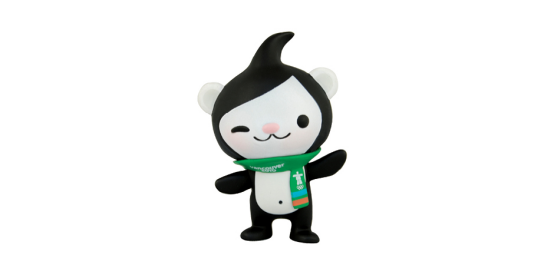
“Ori” – the bear’s tenacity and warmth
“Ori” is a small, adorable bear cub, representing the bears of western Canada’s forests and oceans. This bear symbolizes not only Canada’s natural environment but also Canadian family and kinship. Bears hold a significant place in Canadian Indigenous culture, symbolizing strength and courage. For many Indigenous peoples, bears are guardians of nature, representing wisdom and strength. “Ori” is a modern interpretation of this cultural symbol, conveying both the wildness of nature and approachability and friendliness.
The power of nature embodied in Ori, and its close connection to Canadian culture, make him a warm symbol for the 2010 Winter Olympics. The bear not only represents Canada’s vast forests but also embodies the challenging spirit of winter sports. As a symbol of wildlife, Ori reminds viewers to respect and protect nature, advocating for harmonious coexistence between humans and nature.
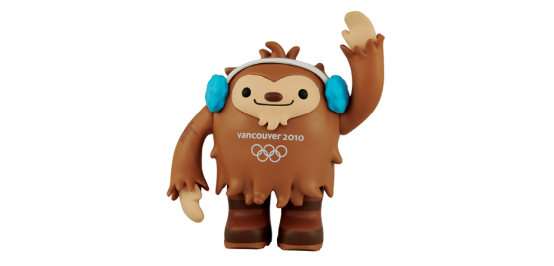
“Kauki” – The Mystery and Exploration of the Snow Monster
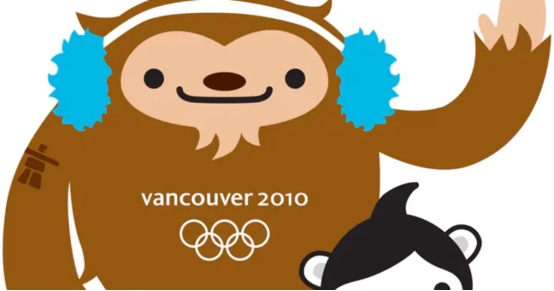
Kauki is another beloved mascot of the Vancouver Winter Olympics. He is a towering, grotesque yeti. The yeti is a mythical creature of Western Canada, particularly in British Columbia, where Vancouver is located. The yeti not only appears in Canadian Indigenous mythology but also plays a prominent role in Western popular culture. Kauki’s design draws inspiration from these myths and legends, representing the unknown and mystery of Canada’s deep mountains and forests.
While the yeti is often culturally associated with fear and mystery, Kauki is designed to be remarkably friendly and endearing. With its fluffy fur and smiling face, it exudes a remarkably approachable presence. This contrast makes Kauki a playful and charming mascot, evoking not only adventure and exploration but also the spirit of bravely facing the unknown. Like the legend of the yeti, Kauki reminds us that even the most mysterious things are worth exploring and understanding.
Canada’s natural and cultural heritage
The Vancouver Winter Olympics mascots are more than just anthropomorphic representations of animals; their designs reflect Canada’s unique natural environment and cultural heritage. Canada is one of the world’s richest countries in natural resources, boasting over three million square kilometers of forests and countless lakes, rivers, and mountains. The landscape here is diverse, from snow-capped mountains to warm coastlines, from vast forests to tranquil lakes—every inch of land is filled with life and stories.
The designs of “Oli” and “Kauki” cleverly blend Canada’s natural landscape with Indigenous culture. In Canadian Indigenous culture, animals are not simply living things, but rather symbols of soul and power. Images like the bear and the yeti carry rich cultural significance, and their connection to nature profoundly influenced the creation of the Vancouver Winter Olympics mascots. The mascots not only embody the spirit of sport but also symbolize Canada’s multiculturalism.
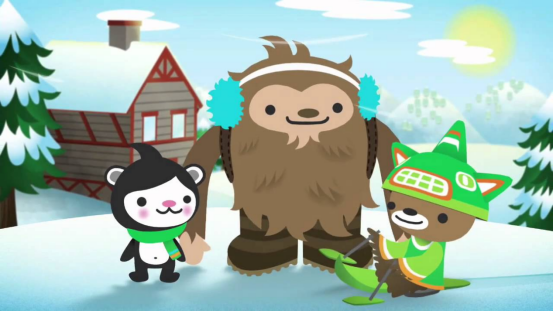
The symbolic meaning of “Ori” and “Kauki”
The designations of “Ori” and “Kauki” are no accident; they represent Canada’s resilience and spirit of exploration, respectively. Ori, the bear cub, symbolizes warmth, strength, and the power of nature, reminding us to protect and coexist harmoniously with nature. Meanwhile, Kauki, embodying mystery, evokes humanity’s spirit of exploration and adventure into the unknown. As Winter Olympics mascots, they subtly convey Canadians’ respect for nature, their commitment to cultural heritage, and their optimism and confidence in the future.
Furthermore, Kauki and Ori represent Canada’s inclusiveness and diversity. Whether it’s the yeti from Indigenous culture or the bear, a symbol of Canada’s north, they both bear witness to diverse cultures and histories, symbolizing Canada as a country that embraces diverse ethnic groups, cultures, and values. Through these two mascots, Vancouver not only showcases Canada’s natural beauty but also sends a message to the world: in this diverse and inclusive country, every culture and history deserves respect and celebration.
Conclusion: From Snow Mountains to Coasts, the Cultural Memory of the Vancouver Winter Olympics
The Vancouver Winter Olympics mascots, “Ori” and “Kauki,” are more than just adorable cartoon characters; they carry rich cultural connotations and symbolic meaning. They represent Canada’s vast natural landscapes, mysterious Indigenous cultures, and the spirit of exploration and adventure. On this globally watched stage, these two mascots serve as guardians of Canada’s land, showcasing Canada’s natural beauty, cultural heritage, and inclusive spirit to the world.
Through Ori and Kauki, the Vancouver Winter Olympics successfully integrated Canada’s history, culture, and future development, conveying the spirit of resilience, friendship, exploration, and confidence. They not only allowed audiences to experience Canada’s unique charm, but also showcased to the world the openness and warmth of Vancouver as a multicultural city. These two mascots will forever serve as cultural symbols of the Vancouver Winter Olympics, carrying the memories of that winter and continuing to tell Canada’s story through time.
Editorial note: This is independent cultural and historical commentary. It is not official, authorized, sponsored, endorsed by, or affiliated with the International Olympic Committee, Olympic Games organizers, teams, venues, museums, athletes, or rights holders mentioned.

Related Posts