The Dawn of the Modern Olympic Era
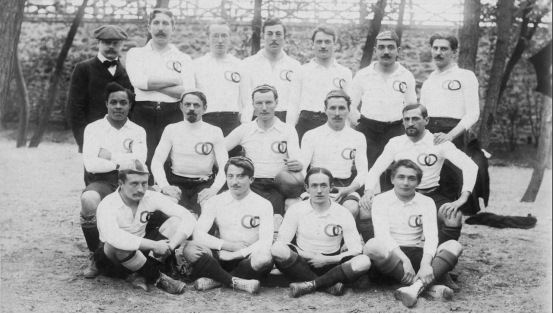
The transition from the late 19th century to the early 20th century marked a pivotal shift in international athletics. The 1900 Paris Games, initially overshadowed by the World’s Fair, served as the true debut of the Olympic movement on the global stage. Despite organizational chaos, it introduced diverse sporting disciplines and solidified the concept of international competition.
The Paris 1900 Experiment
The 1900 Games were characterized by a lack of central oversight, as events were spread over five months. However, this edition was historic for the inclusion of women, who competed in tennis and golf, signaling the beginning of gender inclusivity in sports.
The Transatlantic Shift: St. Louis 1904
Moving the Games to St. Louis in 1904 proved that the Olympic movement could transcend European borders. Although participation remained limited due to travel constraints, the event introduced new standards for marathon logistics and athletic testing, albeit under controversial conditions.

Defining Athletic Excellence and Fair Play
The London 1908 and Stockholm 1912 Games established the standardized framework that defines modern Olympics. Britain’s organizational prowess in 1908 set a new bar for infrastructure, while Sweden’s 1912 Games are remembered for the introduction of electronic timing and a renewed emphasis on amateurism and fair play.
Standardization and Professionalism
- London 1908: Standardized track distances and the introduction of the marathon distance (26 miles, 385 yards).
- Stockholm 1912: Integration of the modern pentathlon and the use of photo-finish cameras, representing a massive technological leap.

The Impact of Global Conflict on the Games
The 1916 Berlin Games, cancelled due to the outbreak of World War I, represent a somber chapter in Olympic history. The war halted the momentum gained in the previous decade, forcing the movement to reconsider its role in a fractured world.
Revival in Antwerp 1920
The 1920 Antwerp Games served as a symbol of post-war reconstruction. Despite the devastation of Belgium, the Games proceeded as a testament to the resilience of the human spirit, with the introduction of the Olympic flag and the athlete’s oath.

Cultural Integration and Social Progress
From the 1924 Paris Games, which celebrated a “Feast of Sports and Culture,” to the 1928 Amsterdam Games, where women’s athletics reached a new milestone, the Olympics became a mirror of societal changes. The 1932 Los Angeles Games, held during the Great Depression, showcased the power of endurance and international cooperation despite economic hardship.
The 1936 Berlin Paradox
The 1936 Berlin Games remain the most controversial in history. Used as a propaganda tool by the Nazi regime, they also provided a platform for athletes like Jesse Owens to challenge ideologies of supremacy through unparalleled athletic achievement.
| Games | Key Innovation | Historical Significance |
|---|---|---|
| 1900 Paris | Women’s Inclusion | Global debut |
| 1912 Stockholm | Electronic Timing | Technological advancement |
| 1928 Amsterdam | Expanded Female Events | Social progress |
Frequently Asked Questions (FAQ)
- Q1: When did women first participate in the Olympics?
- Women first competed in the 1900 Paris Olympic Games, primarily in tennis and golf, marking a major milestone for gender equality in sports.
- Q2: Why were the 1916 Olympic Games cancelled?
- The 1916 Games were cancelled due to the outbreak of World War I, which disrupted international travel and relations across Europe.
- Q3: What was the significance of the 1932 Los Angeles Games?
- The 1932 Games were held during the height of the Great Depression, proving that the Olympic movement could survive and thrive even under extreme global economic pressure.
- Q4: How did the 1936 Berlin Games influence modern sports history?
- The 1936 Games highlighted the tension between sports and politics, showing how regimes could attempt to use the Olympics for propaganda while individual athletes could still demonstrate greatness.
Editorial note: This is independent cultural and historical commentary. It is not official, authorized, sponsored, endorsed by, or affiliated with the International Olympic Committee, Olympic Games organizers, teams, venues, museums, athletes, or rights holders mentioned.

Related Posts