In 2008, Beijing welcomed the arrival of the Olympic Games, which attracted the attention of the whole world. As the mascots of that grand event, the Fuwa are not only five lovely figures, but also the carriers of Chinese culture and the symbols of the unique spirit of the Beijing Olympic Games. When talking about the Fuwa, many people may recall the Fuwa dolls in the hands of children in those years, or the five dazzling figures in the stadium, as if they have been deeply integrated into our memories with the opening of the Olympic Games.
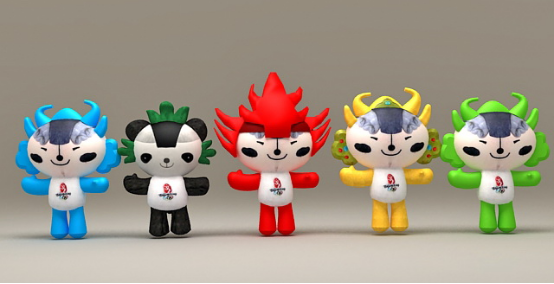
The birth and significance of Fuwa
The name “Fuwa” sounds warm and friendly, as if it is a blessing to everyone. In 2005, three years before the opening of the Beijing Olympic Games, the designer Han Meilin’s idea was finally realized. On that day, Fuwa officially debuted and became the spokesperson for the Olympic Games.
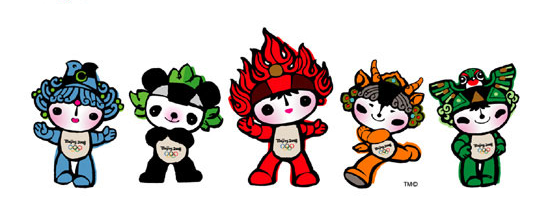
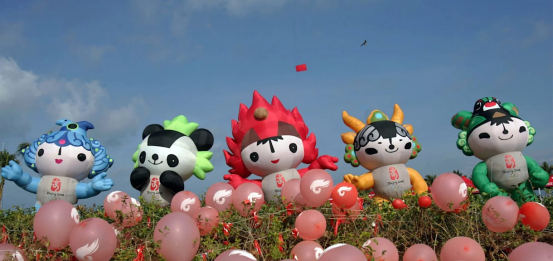
There are five Fuwa: Beibei, Jingjing, Huanhuan, Yingying and Nini. Their names together sound like “Beijing welcomes you”. These five names carry the enthusiasm and welcome of the city of Beijing, and also represent the theme of the Olympic Games – unity, friendship and harmony. Fuwa are not just five mascots, but also a symbol of Chinese traditional culture and blessings.
Five Fuwa: symbolize different good wishes
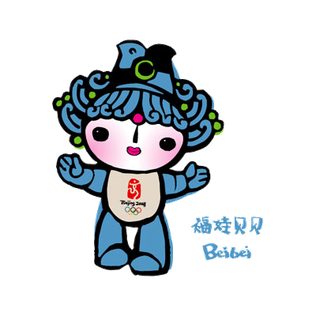
North: Fish, symbolizing wealth and prosperity
Beibei is a colorful fish, one of the most symbolic animals in Chinese culture. It represents “surplus” and “prosperity”. At the beginning of each year, every household hopes that fish will be abundant every year, symbolizing wealth and good luck. Beibei’s image is simple but full of vitality, just like the vast ocean, giving people infinite hope.
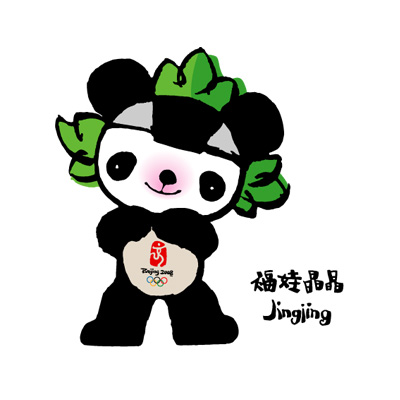
Jingjing: Pandas symbolize preciousness and peace.
Jingjing is the cute panda. There is no doubt that pandas have become China’s national treasure, representing gentleness and peace. Jingjing’s name echoes the “Jing” in “Beijing”, implying that Beijing is a symbol of brilliance and brightness. The image of the panda, gentle and friendly, is also a friendly gesture to the world.
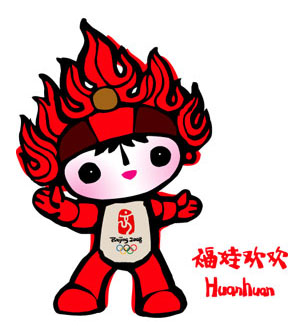
Huanhuan: The torch symbolizes passion and the Olympic spirit
Huanhuan, this vibrant image, represents the Olympic flame and the passion of sports. As one of the symbols of the Olympic Games, Huanhuan symbolizes the spirit of sports that is not afraid of difficulties and pursues unremittingly. Every time I see Huanhuan, I seem to feel the burning heat of the Olympic flame and the indomitable strength.
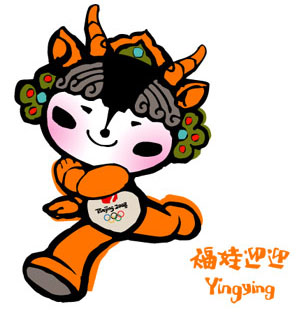
Yingying: Tibetan antelope, symbolizing health and vitality
Yingying is a light and agile Tibetan antelope, whose image shows the power and vitality of life while running. Tibetan antelopes represent tenacity and bravery, and also symbolize the tenacity of human beings in the face of challenges. Yingying gives people a fearless feeling, just like those antelopes running in the fields, always ready to meet new challenges.
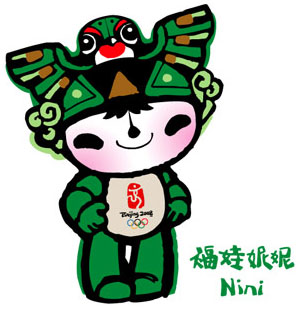
Nini: Swallow, symbolizing good luck and freedom
Nini is a dancing swallow, her golden wings carrying endless hope and blessings. The swallow is a symbol of freedom and happiness, and its flying posture makes people yearn for it, as if its unruly figure is a portrayal of the struggle of every Olympic athlete. Nini conveys not only good luck, but also freedom and dreams.
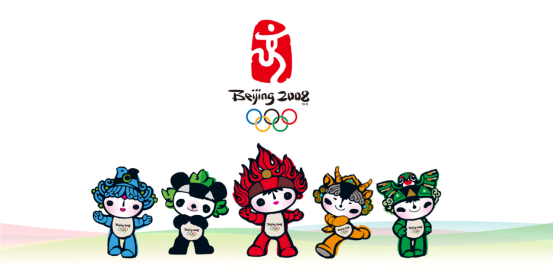
The cultural connotation of Fuwa: the integration of the five elements and natural elements
The design of the Fuwa is not limited to appearance, but also contains the profound cultural heritage of China. Each Fuwa is the embodiment of the Five Elements philosophy. From the ocean to the forest, to the fire and the sky, the design of the Fuwa is full of the Five Elements of nature. They are not just five mascots, they are the embodiment of Chinese traditional culture. Each Fuwa represents a different natural force, and these elements together represent the essence of Chinese folk art.
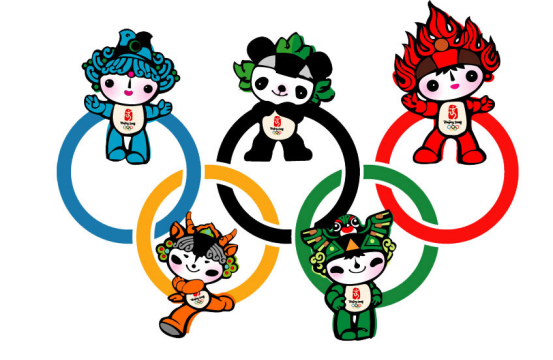
The five Fuwa: spreading auspiciousness and blessings
The Fuwa are not only the symbol of the Beijing Olympics, they also carry the Chinese cultural tradition of conveying blessings for thousands of years. Behind each Fuwa, there is a different good wish – prosperity, happiness, passion, health and good luck. These blessings are not empty symbols, but convey hope and dreams to every child in the world through the Olympic stage.
Think about it, the five Fuwa represent five kinds of blessings, and they carry the invitation letter of the Beijing Olympic Games to every corner of the world. This spirit of conveying friendship and peace is exactly the spirit advocated by the Olympic Games, and it is also the core mission of the Fuwa.
Conclusion: Fuwa – an eternal cultural symbol
Looking back at the 2008 Beijing Olympic Games, which brought infinite excitement to the world, the Fuwa, as the symbol of this grand event, has been deeply integrated into our lives. When we see the Fuwa, we seem to feel the innocence and warmth, and the perfect combination of Chinese culture and the Olympic spirit. The Fuwa are not just a memory of the past, their image will always exist in our hearts, becoming an eternal symbol of friendship, peace, enthusiasm and hope.
Editorial note: This is independent cultural and historical commentary. It is not official, authorized, sponsored, endorsed by, or affiliated with the International Olympic Committee, Olympic Games organizers, teams, venues, museums, athletes, or rights holders mentioned.

Related Posts