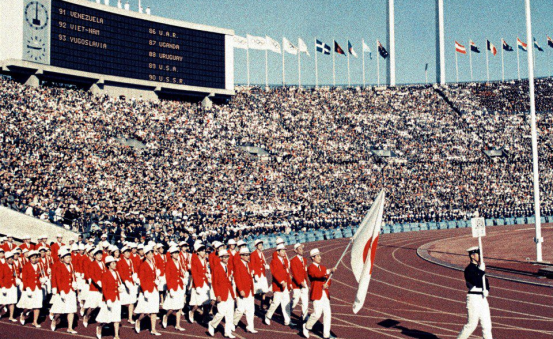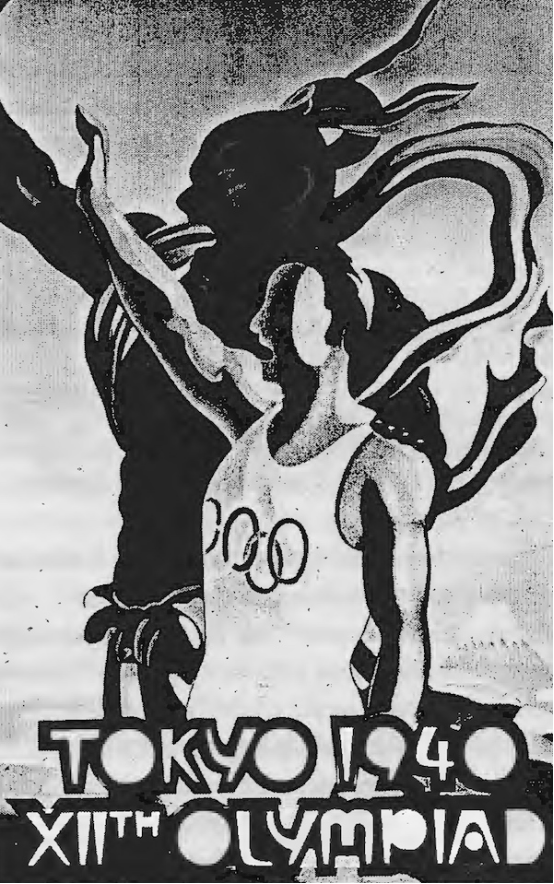
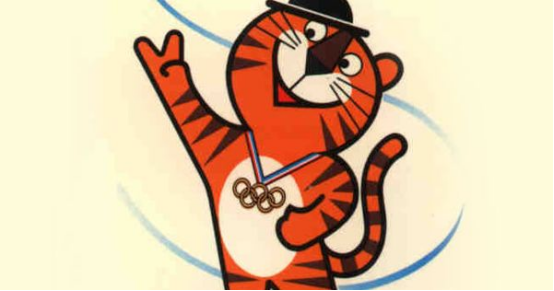
In 1988, Seoul welcomed the world’s attention to the Summer Olympics. That year, it was not only a sports event for South Korea, but also a comprehensive display of a country’s culture. Behind this grand event, there is a special character, who is not only the mascot of the Olympics, but also a symbol of South Korea’s enthusiasm and hospitality – Hodori.
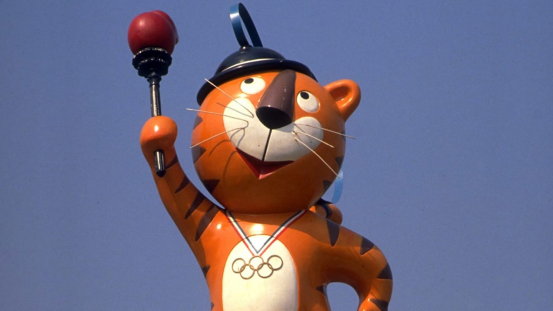
The birth of Huo Huo mascot: Why choose the Siberian tiger?
When we look back at the image of Huo Huo, we may wonder: Why the Siberian tiger? Among so many possible animals, why did Huo Huo have to be this one?
The Siberian tiger, as an important symbol in Korean culture, represents strength, courage and harmony with nature. In Korean tradition, the tiger is a protector, symbolizing firmness and courage. This powerful cultural symbol forms a wonderful contrast with Huo Huo’s gentle image. Its friendly smile makes people fall in love with it at first sight, but you can also feel its hidden power.
The design of Huo Huo was completed by Kim Hyun, with the goal of combining this traditional symbol with a friendly image. Unlike the cold tiger image, Huo Huo is a smiling Siberian tiger, as if to show the world: “Welcome to Korea!” This is not only to welcome athletes and spectators, but also to convey the hospitality and warmth of Koreans to the world.
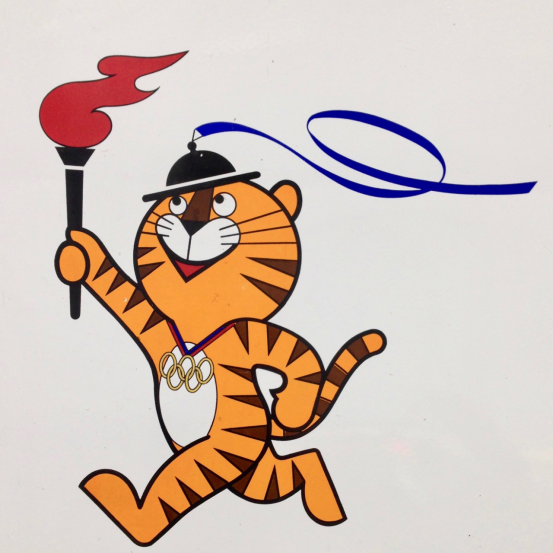
Huo Huo’s name: not only a name, but also a cohesion of culture
Many people may not know that the name Hoho was not chosen randomly. It comes from two words in Korean: “Ho” (호), which means “tiger” (horangi, 호랑이), and “dori” (돌이), which is short for boys. This seemingly simple name actually contains rich cultural background and profound meaning.
Huo Huo’s name was not decided at the beginning, but was selected from 2,295 suggestions after public solicitation. In the end, this name was widely recognized by the public, which also makes people sigh: behind a simple name, it turns out that the Korean people deeply identify with this image.

Huo Shun: The other side behind Huo Huo
When talking about Huo Huo, many people may only remember the lively tiger, but ignore Huo Huo’s “other half” – Hosuni. Hosuni is a gentle female tiger. The “Suni” in her name means girl, which embodies the balance and harmony of gender.
Although Huoshun does not appear as frequently as Huohuo, her presence makes the entire mascot image more complete. Do you think Huoshun’s character is warmer and gentler? Does she also represent the concept of family harmony and equality in Korean culture? Perhaps it is this delicate balance that gives this tiger couple a deeper cultural connotation.

The cultural influence of the Huo Huo mascot: Beyond the Olympics itself
Huo Huo’s influence goes far beyond the Olympic Games. He is not only a mascot, but also a cultural symbol. During the 1988 Olympic Games, Huo Huo’s image became the “face of Korea” in the eyes of the global audience. He symbolizes friendship, peace, enthusiasm and unity, which are the core of the Olympic spirit.
Through Huo Huo, audiences around the world seem to be able to feel the warmth and hospitality of the Korean people, and may even feel a sense of familiarity with the country. Isn’t this the real charm of mascots? It conveys profound cultural values with a simple image that everyone can empathize with.

As time goes by, Huo Huo’s smiling face is still warm
Although more than 30 years have passed, Huo Huo still occupies a place in people’s memory. Have you ever thought of that smiling Siberian tiger? Huo Huo is not only a symbol of the 1988 Seoul Olympics, but also carries the mark of the times, and is a synonym for “friendliness” and “enthusiasm” in the hearts of people of that era.
Its smiling face is still warm, as if telling us: no matter how many years pass, our desire for friendship and peace remains unchanged.
Conclusion: Behind Huo Huo is the power of culture and emotion
The success of the mascot Huo Huo is not only because it is a cute tiger, but also because it represents the culture and emotions of a country. Through Huo Huo, the world sees a passionate and friendly Korea. It is not only the symbol of the Olympics, but also a symbol of Korean culture, conveying a country’s values and yearning for global friendship.
Huo Huo’s story tells us that the influence of a mascot can go beyond the game itself and become a bridge for cultural exchange and emotional resonance. This kind of influence is the true meaning of all Olympic mascots.
Editorial note: This is independent cultural and historical commentary. It is not official, authorized, sponsored, endorsed by, or affiliated with the International Olympic Committee, Olympic Games organizers, teams, venues, museums, athletes, or rights holders mentioned.

Related Posts