The 2006 Winter Olympics mascots, Neve and Gliz, are not only symbols of ice and passion, but their design concepts are also full of the essence of Italian culture. Behind these two lively cartoon characters, there is a deep understanding of winter sports, the Olympic spirit and local culture. Through these designs, we can’t help but ask: How does the mascot design affect our perception and enthusiasm for the Winter Olympics?
Design inspiration: dual symbols of ice and passion
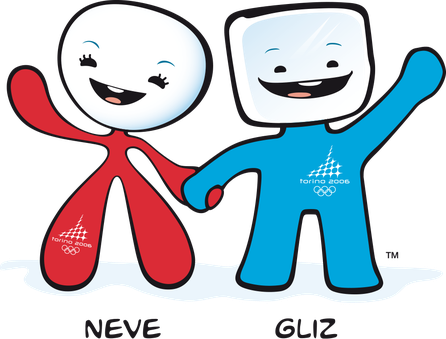
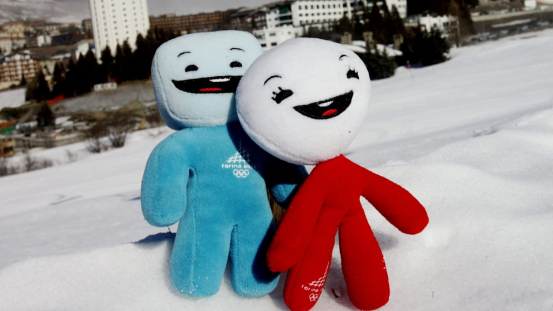
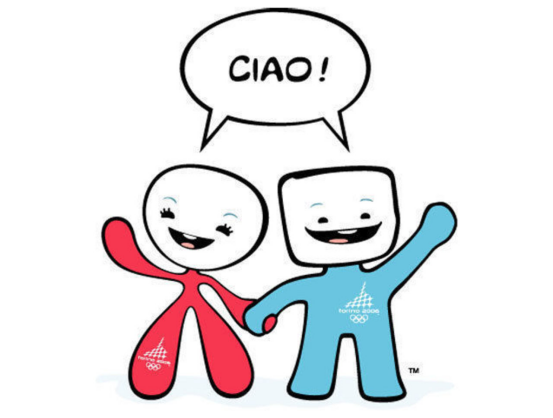
Neve is a gentle and elegant “little snowball”. She is dressed in red. Her round body and streamlined silhouette remind people of the light dance in the snow. Her image not only embodies the elegance in winter sports, but also symbolizes a warm and harmonious atmosphere. Gliz, who is opposite her, is dressed in blue and has a square head with clear edges and corners, just like a solid ice cube. Blue represents strength and calmness, while his tough image embodies the explosiveness and perseverance in competitive sports.
These two images seem to be the perfect combination of “hardness and softness” in ice and snow sports. Neve represents elegance and artistry, while Gliz shows strength and speed. This contrast not only gives people visual enjoyment, but also deeply expresses the various qualities required in winter sports: both elegant gliding and explosive challenges.
Contrast of warm and cool tones and shapes: the aesthetics of both rigidity and softness
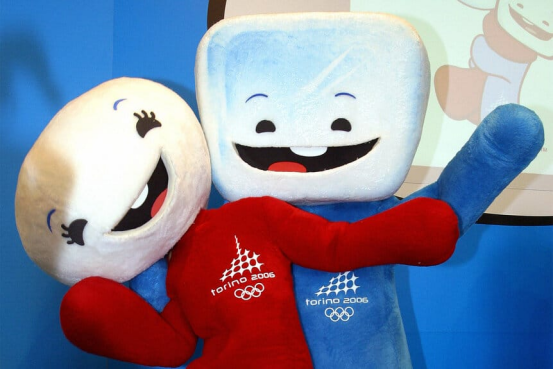
The designer cleverly used warm and cold tones to present the difference between the two. Neve’s red clothes give people a sense of warmth and elegance, while Gliz’s blue conveys a symbol of calmness and strength. Through this contrast of warm and cold tones, the design not only makes the image of the mascot more vivid, but also allows us to see the collision of various extreme characteristics in winter sports: calmness and passion, elegance and tenacity.
In addition, Neve’s rounded shape contrasts with Gliz’s angular head, a difference in form that symbolizes the sports they each represent—light, soft movements on one side, and explosive, powerful competition on the other.
Combination of ice and snow elements with Italian culture: conveying the Olympic spirit
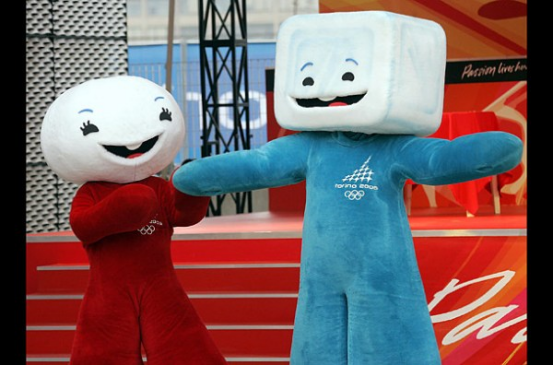
The two mascots are not only symbols of ice, snow and sports, they are also deeply rooted in Italian culture. Neve represents gentleness and harmony, while Gliz symbolizes passion and tenacity. The Italians’ passion for ice and snow and their dedication to sports are shown through these two images. Designer Pedro Albuquerque successfully integrated the elements of water, snow and ice into the Olympic spirit through research.
The two mascots are not only symbols of the younger generation, but their images also fully embody the spirit of “participation, respect and friendliness” advocated by the Olympic Movement. One represents warmth and harmony, while the other represents strength and tenacity – the combination of the two also reflects the balance and harmony of the Olympic spirit.
Controversy and thinking: the cultural adaptability of mascots
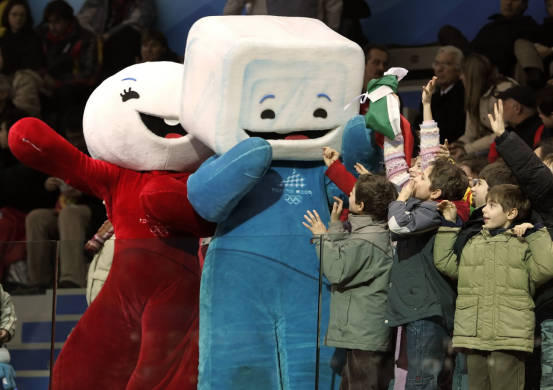
Of course, like all Olympic mascots, Neve and Gliz are not without controversy. Some people think that their designs are too cartoonish and weaken the seriousness and solemnity of the Winter Olympics. However, is this design really negative? From another perspective, it is this childlike and friendly image that allows more young people to approach winter sports and understand and fall in love with this world full of challenges and passion.
Can their images represent all the essence of the Winter Olympics? Perhaps this is a question worth pondering. But in any case, through their birth, Neve and Gliz have added a lot of color to this Olympic Games and made us re-examine the unique role of mascots in Olympic culture.
Conclusion: Finding the soul of the Olympics between ice and snow and passion
Neve and Gliz are not only the mascots of the Torino Winter Olympics, but also the embodiment of ice, snow and passion. Through careful design, they show the hardness and softness, heat and cold in winter sports, and also let the Olympic spirit find a perfect expression at this moment. These two lovely images may be the perfect interpretation of “burning passion” – the energetic young generation, brave enough to meet challenges, with a love for sports and life, moving towards a more exciting future.
Editorial note: This is independent cultural and historical commentary. It is not official, authorized, sponsored, endorsed by, or affiliated with the International Olympic Committee, Olympic Games organizers, teams, venues, museums, athletes, or rights holders mentioned.

Related Posts